
 Can You Wear Compression Socks to Sleep?
Sleep Health, Sleep & Back Pain
August 5, 2020, updated on October 16, 2026
The Best and Worst Sleep Positions for Back Pain
Written by Hailey Hudson

Key Takeaways
Back and side sleeping are best for back pain; use a pillow under your knees (for back sleepers) or between your knees (for side sleepers) to keep your spine correctly aligned.
Choose a supportive, medium-firm mattress—especially one with added lumbar support in the middle third where most of your body weight rests—and avoid stomach sleeping to prevent lumbar strain.
Combine a supportive mattress with pre-bed icing, light stretching, and position adjustments every couple of hours to reduce tissue stress and break the cycle of pain-induced insomnia.
The best and worst sleep positions for back pain is best understood by focusing on the practical factors that affect comfort, support, durability, and sleep quality. Evaluate the materials, construction, fit for your sleep position and body type, care requirements, and any relevant health considerations. Use measurable criteria and current expert guidance rather than relying on a single marketing claim or trend.
Do you struggle to get a good night’s sleep because of your back pain? Back pain is a common issue—and when you throw pain-induced insomnia into the mix, it can be a struggle to get through your day. Let’s take a look at exactly how back pain affects sleep and what sleep positions can help the most.
How back pain affects sleep
Back pain is a common complaint among American adults: 16 million of them experience chronic back pain, with 65 million reporting a recent episode. Back pain is a costly problem and can also make it more difficult to perform everyday tasks, such as exercise, housework, or even sleep.
According to Tom Tozer of Imperium Chiropractic in Wisconsin, back pain can stem from several common causes. “Arthritis of the spine, sprains or strains, poor posture during the day, scoliosis, or overuse,” are some of the most common causes of back pain, he says.
Tozer also points out that back pain can affect the quality of sleep—which, if you have back pain, is something you most likely already know. You may have trouble finding a comfortable sleeping position, be too aware of the pain to relax, or suffer side effects from pain medications. And when you don’t get a good night’s sleep, your back pain may become worse, creating a vicious cycle that’s difficult to break.
Luckily, by favoring certain sleeping positions, you can ease yourself into a good night’s rest.
Best sleeping positions for back pain
| Sleep Position / Need | Firmness | Pressure Relief Needed | Support Needed | Materials to Consider |
|---|---|---|---|---|
| Back Sleepers | Medium-Firm | Moderate (under lower back & legs) | High (Center-third / Lumbar support for spine alignment) | Memory Foam, Gel, Hybrid (Innerspring + Foam) |
| Side Sleepers | Medium to Medium-Firm | High (Hips & shoulders) | Moderate-High (Spinal alignment with knee pillow support) | Contouring Memory Foam, Gel Foam |
| Reclined / Injury Recovery | Adjustable / Flexible Firmness | High (Customizable pressure point offloading) | Customizable (Targeted lumbar support while elevated) | Adjustable Bed Base + Latex or Memory Foam |
| Stomach Sleepers (Not Recommended) | Firm (If necessary) | Low | Very High (Prevents lower lumbar spine sagging) | Dense High-Support Foam, Firm Innerspring Hybrid |
“Back and side would be very close as far as proper positions to sleep,” Tozer says. Sleeping on your back can help you make sure that your head, shoulders, and hips are aligned—which, in turn, will support your back and ensure your pain doesn’t worsen. (Here’s how to train yourself to sleep on your back.)
Sleeping on your side can be very comfortable if you experience regular pain, but it’s easy for your spine to become improperly positioned. To remedy this, try using a pillow for support, placing a pillow between your knees to ease the pressure on your back.
You can also place a small pillow under your knees while sleeping on your back. Sleeping in a reclined position with an adjustable bed may even be helpful, although Tozer recommends using an adjustable bed as a stepping stone while you improve your posture. Eventually, you’ll want to move your way back to a normal mattress.
The sleep position you choose will also largely depend on how severe your pain is and what part of your back is affected. For example, if you have a serious or a new back injury, you may have trouble sleeping on a flat surface on your back. In that case, you will have to find another comfortable position that works with the severity of your pain.
Sleep positions to avoid if you have back pain
“We don’t encourage stomach sleeping at all for back pain,” Tozer says. If someone is sleeping on a new, firm mattress, he explains, they might be OK on their stomach. “But if someone’s on a mattress that’s a couple of years old or starting to lose some of its support, if they’re on their stomach that position is going to affect the joints of their lower lumbar spine,” says Tozer.
Beyond stomach sleeping, however, there aren’t any other sleeping positions that are a definite no-go for people with back pain. It’s best to simply experiment and find what works for you.
Our best mattresses for back pain
This carousel automatically rotates through products. Use the pause button to stop rotation, or use the slide dots to navigate.
Our flagship luxury mattress is expertly engineered with coil-on-coil construction for durability, a layer of memory foam for enhanced back support, and a cushiony Euro pillow top for extra comfort. Luxurious body-hugging feel and pressure relief with 3” of ultra-premium, high-density 5-lb memory foam. Natural latex responds to every curve for pressure-free support and responsive comfort. Natural latex is supple, resilient, and durable, for the ultimate in elevated sleep. (It’s naturally hypoallergenic too.)
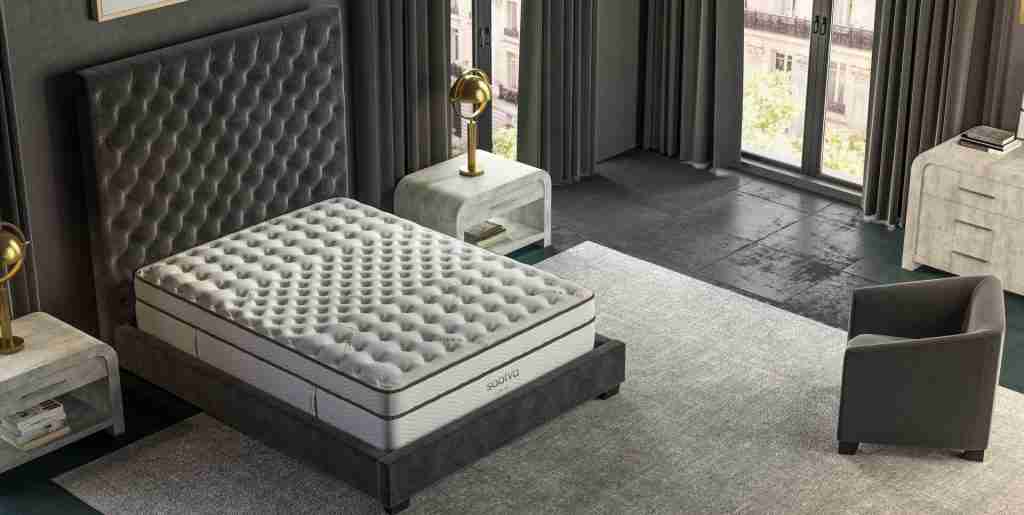 Saatva Classic Innerspring Mattress
Shop Now
 Contour5 Mattress
Shop Now
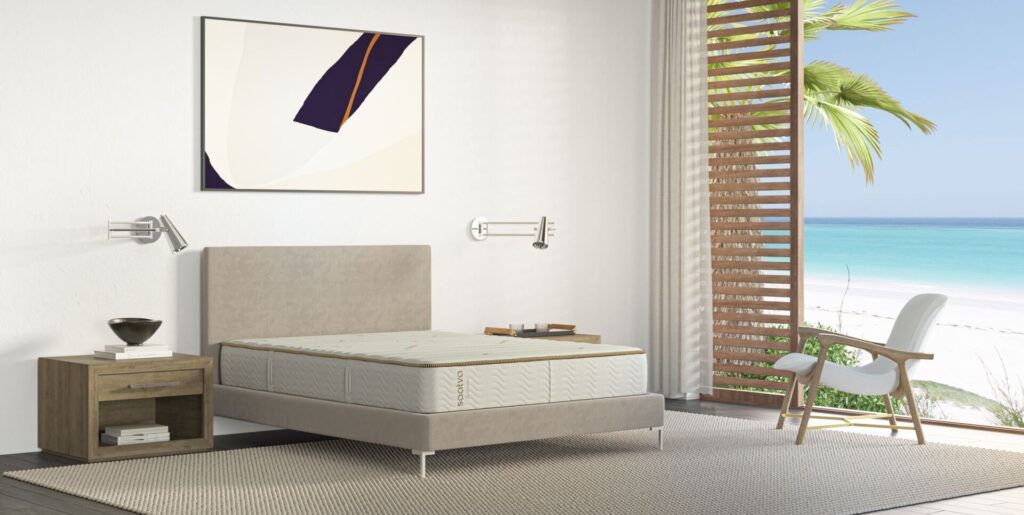 Zenhaven Latex Mattress
Shop Now
Best mattress for back pain
The mattress you sleep on plays a huge role in how well you sleep and whether your pain is exacerbated or eased. When you’re looking for a mattress, the most important thing is making sure the mattress is supportive and will help promote correct posture. Look for a mattress with added lumbar support in the center third of the mattress, where most of your body weight lies.
“The second thing is the comfort,” Tozer says. “That’s going to vary some—material, body type, other complicating health factors. That’s where a variety of mattress surfaces, whether it be gel or memory foam or those kinds of things, [can help].”
Your decision on the best mattress for back pain will be influenced by many other preferences and factors too, such as your preferred mattress type and firmness. Just make sure whatever mattress you choose has adequate comfort and support. (Here’s how to find the best mattress for back pain.)
Sleep better with back pain
In addition to finding the correct sleeping position, there are a few other ways you can help ease your back pain at night. Tozer recommends icing for 20-30 minutes before bed and doing some light stretching prior to going to sleep. And it’s also helpful to change sleeping positions every two hours throughout the night, he says, to “help disperse some of the stress to the different tissues of the spine and to allow different areas to rest at different times.”
Finally, says Tozer, it’s essential to seek out the root cause of your back pain and to treat it. “It’s very important to understand where the back pain is coming from,” he says. You can have everything from cancer to kidney stones to sprains/strains to just poor posture or overwork.” It’s important to truly understand the source of your back pain so you can treat it, along with making sure you have proper support and comfort with a mattress. (Find out whether going to a chiropractor can improve your sleep.)
FAQs
Does body weight change the recommendation?
Yes. Body weight affects how deeply you sink into a mattress or pillow, so the same firmness or loft can feel different from person to person. Use general sleep-position guidance as a starting point, then adjust for body type and comfort.
How can I tell if my sleep setup is supportive enough?
Your head, neck, and spine should feel comfortably aligned without excessive pressure or deep sinkage. Persistent pain, numbness, or tingling should be evaluated by a healthcare professional rather than addressed only by changing bedding.
How to Tell If Your Setup Is Wrong
Even if your mattress looks fine on the surface, your body will let you know when your sleep setup is working against your spine. Watch out for these red flags:
- Morning stiff back: You wake up with noticeable lower back tightness or aching that fades after 30 to 60 minutes of moving around.
- Middle-of-the-night tossing and turning: You constantly wake up needing to shift positions because your hips, shoulders, or lower back feel excessive pressure or discomfort.
- Hammocking effect: You feel your hips or midsection sinking lower than the rest of your body, causing your lower lumbar spine to arch abnormally.
- Limb numbness or tingling: You frequently wake up with “pins and needles” in your arms, shoulders, or legs due to improper weight distribution and pinched nerves.
- Better sleep away from home: You consistently sleep with less back pain in hotels or on guest beds than you do in your own bed.
If you recognize two or more of these signs, your current mattress or base likely lacks the central lumbar support or pressure-relieving comfort your spine needs.
Looking for the right mattress to help alleviate your back pain? Here, learn about the benefits of popular mattress types for your back:

Hailey Hudson
Hailey Hudson is a full-time freelance writer and content marketer based out of Atlanta. She writes about healthcare, marketing, and pets for clients like Healthline, Adobe, and Chewy. In her spare time, Hailey writes YA novels, snuggles with her cat, and sings musical theater (not all at the same time).
Related Stories
-
Can You Wear Compression Socks to Sleep?
-
 Are There Fleas in Your Bed? Here’s How to Tell (and What to Do About It)
-
 Can Ube Help You Sleep Better?
Table of Contents
