
 Can You Wear Compression Socks to Sleep?
Sleep Health, Mattress Buying Guides, Mattresses, Sleep Tips
December 27, 2018, updated on October 18, 2026
What’s the Best Mattress for Back Sleepers?
Written by Hallie Levine

Key Takeaways
A medium-firm mattress provides the ideal balance to keep your spine neutrally aligned, while dedicated center/lumbar support prevents your lower back from sagging or arching.
Memory foam offers deep, body-hugging contouring, whereas latex delivers a more buoyant “sleeping on top” sensation with easier movement.
Lighter sleepers under 130 lbs need slightly softer top layers for cushioning, while heavier sleepers require firmer support; complete your setup with a supportive pillow that keeps your neck neutral (and try a pillow under the knees for back pain).
Back sleepers usually need a mattress that combines steady lumbar support with enough contouring to cushion the hips and shoulders. A medium-firm feel works for many people, but body weight and comfort preference matter. The best mattress keeps the spine in a neutral position without allowing the hips to sink too deeply or creating excessive pressure.
If you’re someone who likes to sleep on your back, congratulations! Back sleeping is considered the healthiest snoozing position, according to the National Sleep Foundation. Sleeping on your back keeps your head, neck and spine in a neutral position, taking pressure off those areas and making it much less likely you’ll wake up in the morning grumbling about aches and pains.
How to find the best mattresses for back sleepers
Since you can generally sleep comfortably on a variety of surfaces, you can find a good fit on just about any type of mattress, whether innerspring, memory foam, or latex. With that said, even back sleepers have special needs. The next time you go shopping for a new mattress, keep these considerations in mind so that you can find the best mattress type for back sleepers.
| Feature | Recommendation / What to Look For |
|---|---|
| Firmness | Medium-firm is optimal; avoid extremes. Opt for slightly firmer if you are heavier, or slightly softer if under 130 lbs. |
| Pressure Relief | Balanced contouring to cushion shoulders and hips without causing the body to sink out of natural spinal alignment. |
| Support | Strong lumbar support to fill the lower back gap and keep the spine in a neutral position. |
| Materials to Consider | Memory foam (for body-hugging contouring), latex (for buoyant support without deep sinking), or innerspring/hybrids with reinforced lumbar zones. |
Firmness
Mattress firmness plays a major role in choosing the best mattress for back sleepers, especially back sleepers with back pain. While most back sleepers can handle a range of firmness, it’s important not to go too far in either direction when you’re looking for the best mattress for your back. “When it’s too soft, it doesn’t provide enough support, which causes you to sink into the bed,” says Michael Breus, PhD, a Los Angeles sleep disorder specialist and author of Good Night: The Sleep Doctor’s 4-week Program to Better Sleep and Better Health.
But an overly firm mattress can also be a problem, especially for women. “Most of us carry our weight through our pelvis, which in women can be tilted due to childbirth,” Breus explains. That means a good mattress with a bit of give will likely be most comfortable for your lower half.
An ultra-firm surface can also put too much pressure on the shoulders and back, causing soreness in the morning, says Ben Trapskin, editor of mattress review site Sleep Sherpa.
Since body weight can affect your perception of softness, use the following as a guide: If you’re a back sleeper and of average weight, look for a medium-firm mattress. If you’re heavier, go with slightly firmer, and if you’re on the lower end of the weight scale (less than 130 pounds) opt for something slightly softer. (Here are some more tips for choosing the right mattress for your body type.)
Contouring ability
The best mattress for back sleepers will provide a balance of comfort and support. Both memory foam and latex are designed to mold to the shape of your body when you lie down. That contouring quality makes these materials particularly comfortable for back sleepers, since they hug the natural curvature of your spine. If you prefer the feel of an innerspring mattress, look for one with memory foam in the comfort layer, or add a foam mattress topper for extra cushioning.
That said, some back sleepers find that memory foam has too much give. To avoid that “sinking” feeling, says Trapskin, consider a latex foam mattress. “Latex provides a different feel—there’s some contouring, but also a sensation of resting on top of the mattress as opposed to sinking into it.” That combo of cradling and buoyancy is why medical experts often recommend latex mattresses for people who are back sleepers and also have chronic back pain. (Want to learn more about latex? Check out our latex mattress buyer’s guide.)
Watch this video to learn more about how to choose the best mattress for back sleepers:
Comfort
Many mattress shoppers assume that the thicker the top comfort layer is, the better. That’s not necessarily true, and especially not if you sleep on your back. “Unlike other positions, like sleeping on your side, there’s only one major gap created when you sleep on your back—a recessed space in your lumbar area,” explains Joe Auer, editor of mattress review site Mattress Clarity. So less important than the number of inches in the comfort layer is whether the mattress has adequate lumbar support to help close that gap. (Saatva innerspring mattresses, for example, incorporate an extra layer of memory foam in the lumbar region.) Lumbar support is one of the most important variables when selecting the best mattress for back sleepers with back pain.
Durability
Comfort is important for back sleepers, but so is durability. “The shorter the lifespan, the faster the mattress begins to sag, which isn’t good for back sleepers who require a lot of spinal support,” explains Breus. Factors that affect innerspring mattress longevity include the style and thickness of coils, quality of the materials, and number and type of layers. (Here are more tips on what to look for in a quality innerspring.) Customer reviews can help too, but stay away from reviews that focus on comfort, which is subject. Instead look for reviews that address how well a mattress has performed over time. A quality mattress should last 10 years or more.
Find the best mattress for back sleepers at Saatva
This carousel automatically rotates through products. Use the pause button to stop rotation, or use the slide dots to navigate.
Our flagship luxury mattress is expertly engineered with coil-on-coil construction for durability, a layer of memory foam for enhanced back support, and a cushiony Euro pillow top for extra comfort. Luxurious body-hugging feel and pressure relief with 3” of ultra-premium, high-density 5-lb memory foam. Natural latex responds to every curve for pressure-free support and responsive comfort. Natural latex is supple, resilient, and durable, for the ultimate in elevated sleep. (It’s naturally hypoallergenic too.)
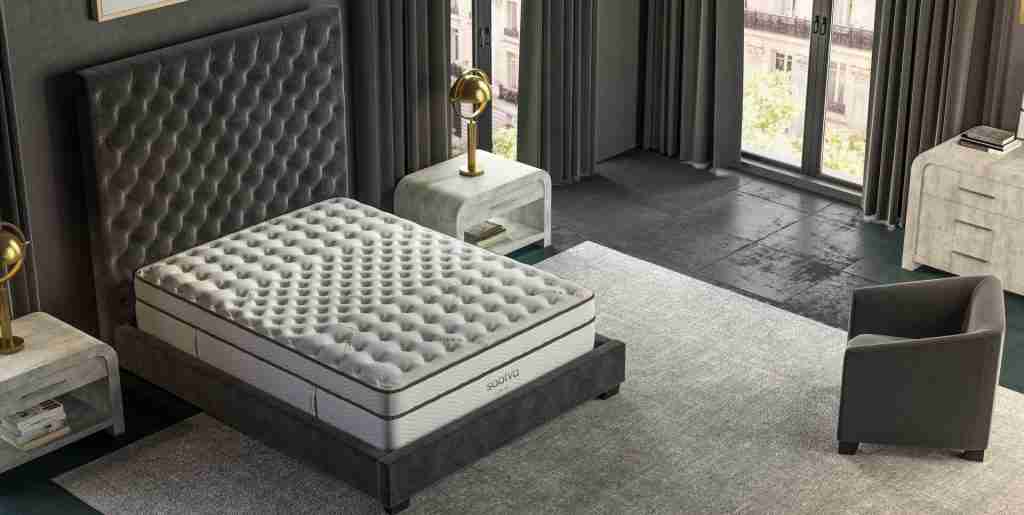 Saatva Classic Innerspring Mattress
Shop Now
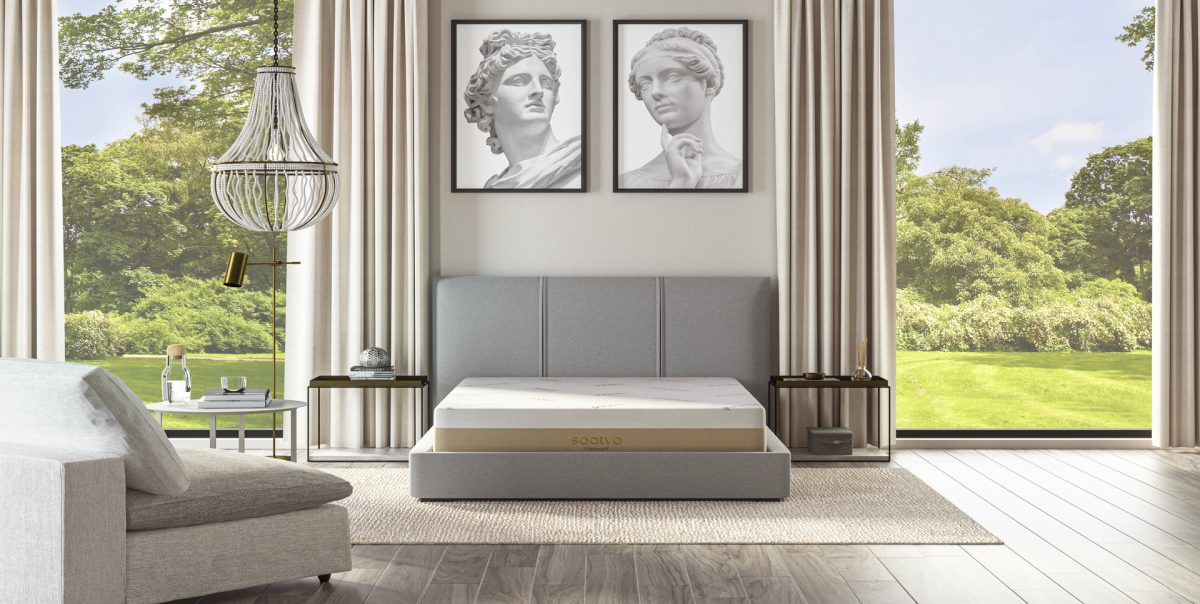 Contour5 Mattress
Shop Now
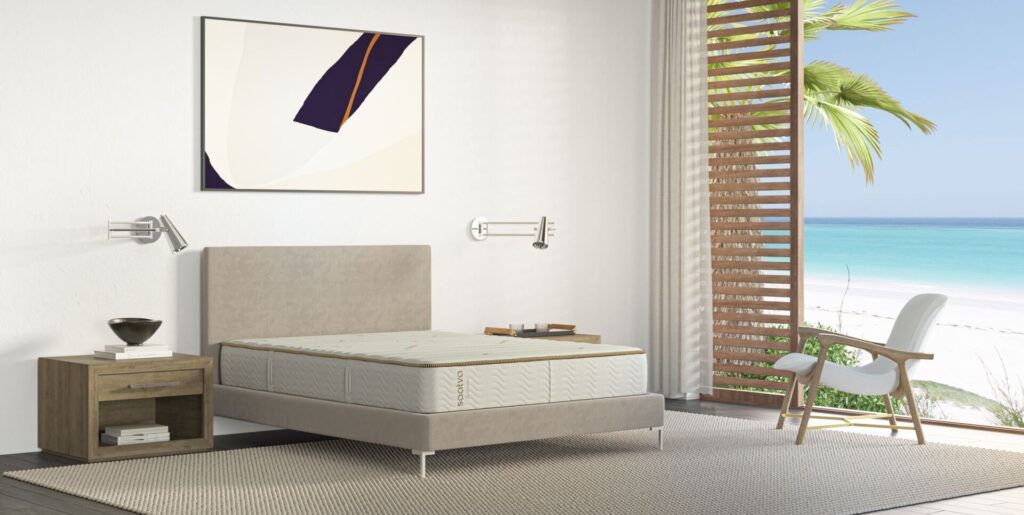 Zenhaven Latex Mattress
Shop Now
Don’t forget about the pillow
One final tip for back sleepers. Once you’ve found the right mattress, you’ll also want to make sure you’re pairing it with the perfect pillow. According to the National Sleep Foundation, the ideal pillow for back sleepers should mold to the shape of your head and neck, providing support. If you have back pain, try sleeping with another pillow under your knees. That will help maintain the normal curve of your lower back, relieving discomfort and pressure—and let you enjoy the quality slumber that back sleepers are known for.
| If You / Your Need | Recommended Firmness | Best Material / Construction | Key Pillow / Mattress Feature |
|---|---|---|---|
| Average Weight Back Sleeper (130–230 lbs) | Medium-Firm (5–7/10) | Innerspring, Memory Foam, or Latex | Balanced contouring with neutral spinal alignment |
| Lightweight Back Sleeper (<130 lbs) | Medium-Soft to Medium (4–5/10) | Memory Foam or Plush Hybrid | Extra top-layer give to cradle hips without pressure |
| Heavyweight Back Sleeper (>230 lbs) | Firm (7–8/10) | Hybrid or Pocketed Innerspring | Heavy-duty coils & high-density foam to prevent sag |
| Back Sleepers with Lower Back Pain | Medium-Firm | Latex or Zoned Support Hybrid | Dedicated lumbar zone reinforcement + pillow under knees |
| Dislike “Sinking” Feeling / Hot Sleepers | Medium-Firm to Firm | Natural Latex or Cooling Hybrid | Buoyant response, breathable coils, and cool-to-touch cover |
FAQs
Does body weight change the recommendation?
Yes. Body weight affects how deeply you sink into a mattress or pillow, so the same firmness or loft can feel different from person to person. Use general sleep-position guidance as a starting point, then adjust for body type and comfort.
How can I tell if my sleep setup is supportive enough?
Your head, neck, and spine should feel comfortably aligned without excessive pressure or deep sinkage. Persistent pain, numbness, or tingling should be evaluated by a healthcare professional rather than addressed only by changing bedding.
How to tell if your current setup is wrong
Even if your mattress seems comfortable at first touch, your body will send clear warning signs if your current setup isn’t giving you proper support as a back sleeper:
- Your lower back arches or sags: If there’s an unnatural gap under your lower back (too firm) or your hips sink deeper than your shoulders (too soft), your spine is out of alignment.
- Morning lower back stiffness: Waking up with a dull ache or tightness in your lumbar area that fades after 30 minutes of moving around is a classic sign of insufficient center/lumbar support.
- Numbness or pressure points: Soreness in your hips, shoulder blades, or tailbone indicates a mattress that is too rigid or lacks adequate pressure-relieving comfort layers.
- Tossing and turning: Constantly shifting positions during the night usually means your body is instinctively searching for relief from pressure or alignment strain.
- Neck pain or headaches: If your neck feels strained, your pillow is likely too thick (pushing your chin toward your chest) or too thin (causing your head to tilt backward).
For all the stomach sleepers out there, check out our guide to finding the best mattress for stomach sleepers.

Hallie Levine
Hallie Levine is an award-winning journalist who has covered health and wellness for publications such as Consumer Reports, Health, Prevention, Time, Reader’s Digest, Parents, Good Housekeeping, and Redbook.
Related Stories
-
Can You Wear Compression Socks to Sleep?
-
 Are There Fleas in Your Bed? Here’s How to Tell (and What to Do About It)
-
 Can Ube Help You Sleep Better?
Table of Contents
