
 Can You Wear Compression Socks to Sleep?
Sleep Health, Mattress Types & Sizes, Mattresses, Sleep Tips
October 8, 2019, updated on October 7, 2026
3 Things to Look for in a Latex Mattress if You’re a Side Sleeper
Written by Christina Heiser
Key Takeaways:
- Natural latex combines memory foam’s pressure relief with innerspring responsiveness, cushioning the hips and shoulders while keeping the spine aligned.
- Choose natural latex over synthetic for durability and eco-friendliness, select a slightly softer/plush comfort level to protect pressure points, and ensure zoned lumbar support for proper hip alignment.
- Side sleepers need a thicker pillow to bridge the gap between head and shoulder, plus optional body or knee pillows to support the shoulders and hips.
For side sleepers, the best latex mattress balances pressure relief with responsive support. Look for enough cushioning at the shoulders and hips to reduce pressure buildup, while maintaining a stable sleep surface that keeps the spine aligned. A softer comfort layer can work well for lighter sleepers, while higher-weight sleepers may need a firmer, more supportive construction.
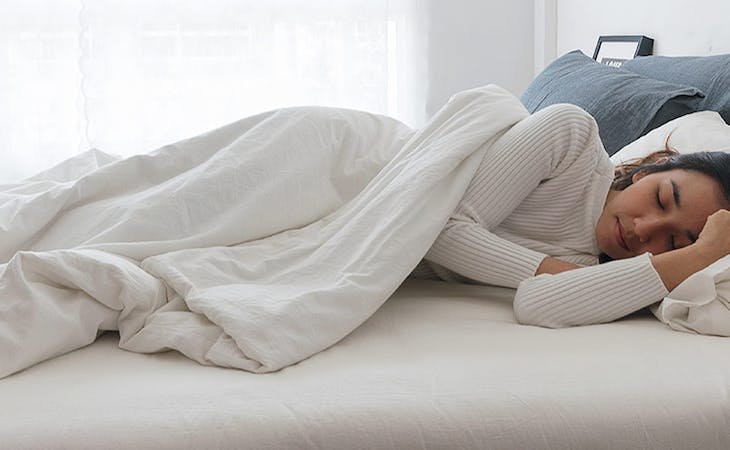
Side sleeping is the most common sleep position among adults. That makes sense, given that sleeping on your side can be beneficial if you are prone to acid reflux, snoring, or back pain. But sleeping on the wrong mattress as a side sleeper can lead to sore joints and spinal-related discomforts.
A latex mattress is a great option for side sleepers. Latex is responsive like innerspring but also conforms like memory foam, providing excellent comfort and support to side sleepers. It’s extremely eco-friendly to boot.
Keep in mind that the mattress that’s right for a side sleeper will be different from the one that’s ideal for a back or stomach sleeper. Here’s what to look for in a latex mattress if you sleep on your side.
How to find the best latex mattress for side sleepers
In general, the best mattress for a side sleeper will conform to your body’s natural curves and take the pressure off your hips and shoulders. While no one mattress is best for any particular sleep style, latex mattresses are good options for side sleepers because they provide a nice level of “give” while still providing support to keep your spine aligned in a neutral position.
Body alignment and spinal support
A side sleeper needs a mattress that cushions heavy pressure points like the shoulders and hips while keeping the spine in proper, neutral alignment.
Look for features like:
- Zoned Lumbar Support: If you’re a side sleeper, it’s particularly important to find a latex mattress that has added reinforcement in the lumbar region. This will help support the heaviest part of your body, across your hips and belly. A mattress with a reinforced lumbar zone typically features an area of firmer latex in the center third of the mattress.
- Natural Latex Support Core and Comfort Layers: Synthetic latex might feel similar to natural latex, but it’s not eco-friendly. It’s also not as durable, and it could even aggravate allergies or sensitivities. For the longest-lasting, greenest option, choose a mattress with a natural latex support core and comfort layers. In general, natural latex offers uniform consistency and great resilience, providing unmatched comfort to side sleepers.
Body weight and firmness selection
Your body weight influences how deeply you sink into the latex layers, which dictates the ideal firmness level needed to maintain spinal alignment without triggering pain.
- Slightly Softer Comfort Level: The best mattress for side sleepers—latex or not—is one that is soft (or “plush”) enough to cradle your hips and shoulders while supporting your spine in a neutral position. A too-firm latex mattress will cut off circulation at those pressure points, leaving you with numbness or soreness.
Temperature regulation and breathability
Latex also sleeps cool and holds its shape well, so you won’t have to worry about indents when you lie in the same spot every night. Natural latex features an open-cell structure that allows air to circulate freely throughout the mattress, pulling heat away from your body so you stay comfortable and cool all night.
Motion isolation and comfort for couples
For couples sharing a bed, latex provides the ideal balance of motion isolation and movement freedom. It absorbs movement so you won’t feel your partner turning or shifting positions during the night, while its quick responsiveness prevents the “stuck-in-the-mud” feeling common with memory foam, making it easy for both sleepers to adjust positions smoothly. (Learn how to protect your back while you sleep.)
Our best latex mattress for side sleepers
This carousel automatically rotates through products. Use the pause button to stop rotation, or use the slide dots to navigate.

Latex Hybrid Mattress
Shop Now
This hybrid mattress combines the pressure-free support of natural latex with the classic innerspring feel. Handcrafted with pure materials for the ultimate in cool and healthy sleep.
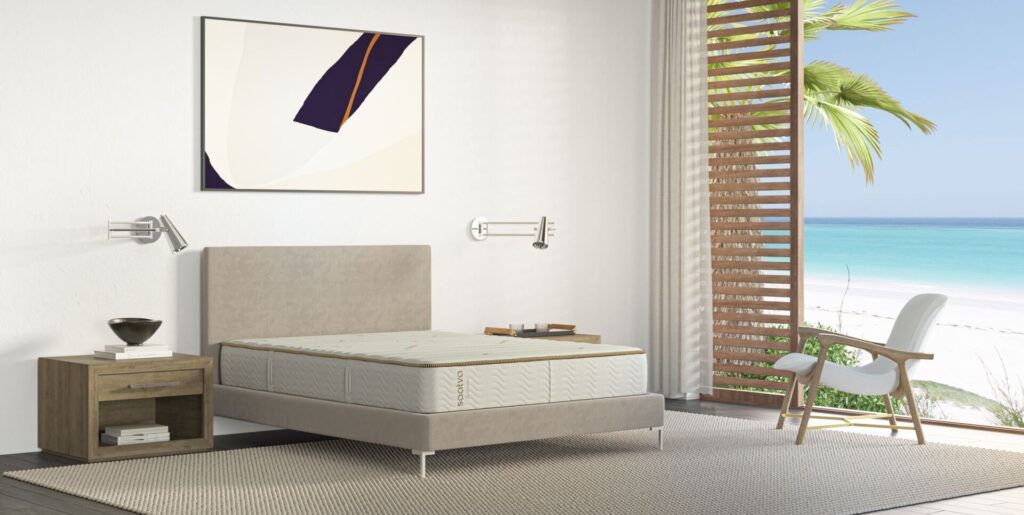
Zenhaven Latex Mattress
Shop Now
Natural latex responds to every curve for pressure-free support and responsive comfort. Natural latex is supple, resilient, and durable, for the ultimate in elevated sleep. (It’s naturally hypoallergenic too.)
| Feature / Category | Recommendation for Side Sleepers | Why It Matters |
|---|---|---|
| Mattress Firmness | Medium to Medium-Soft (Plush) | Cradles hips and shoulders to relieve pressure points and prevent circulation cutoff or numbness. |
| Materials | 100% Natural Latex or Latex Hybrid | Provides adaptive contouring without sinkage, eco-friendly durability, and natural breathability. |
| Mattress Features | Zoned Lumbar Support | Reinforces the center third to support midsection weight and maintain neutral spinal alignment. |
| Pillow Features | Thick Head Pillow + Knee/Body Pillow | Fills the neck-to-shoulder gap while keeping hips level and avoiding shoulder twist. |
FAQs
Does body weight change the recommendation?
Yes. Body weight affects how deeply you sink into a mattress or pillow, so the same firmness or loft can feel different from person to person. Use general sleep-position guidance as a starting point, then adjust for body type and comfort.
How can I tell if my sleep setup is supportive enough?
Your head, neck, and spine should feel comfortably aligned without excessive pressure or deep sinkage. Persistent pain, numbness, or tingling should be evaluated by a healthcare professional rather than addressed only by changing bedding.
How to tell if your setup is wrong
Even if you have a latex mattress, an incorrect firmness level or improper pillow choice can throw off your posture and disrupt your sleep. Here are the key warning signs that your current sleep setup isn’t working for you:
You wake up with sore, numb, or tingling shoulders and sips
- The cause: Your mattress is too firm.
- What’s happening: When a mattress lacks sufficient cushioning or “give,” your hips and shoulders absorb the full impact of your body weight. This pressure restricts blood flow to your joint tissues, causing numbness, “pins and needles,” or sharp joint aching by morning.
You have lower back or hip pain when you get out of bed
- The cause: Your mattress is too soft or lacks adequate center support.
- What’s happening: If your midsection sinks too deeply into the bed, your spine sags into an unnatural hammock position. Without zoned lumbar reinforcement, your lower back muscles stay tense all night trying to keep your body aligned.
You suffer from neck strain, morning stiff neck, or frequent headaches
- The cause: Your head pillow height (loft) is incorrect.
- What’s happening: A pillow that is too flat causes your head to dip toward the mattress, while one that is too high pushes your neck upward. Both extremes bend your cervical spine out of alignment, causing muscle strain and tension headaches.
You constantly toss, turn, or sleep with an arm tucked under your pillow
- The cause: Your pillow isn’t high enough, or your mattress isn’t supporting your upper body correctly.
- What’s happening: Propping your head up with your arm or switching sides constantly is an unconscious attempt to fill the gap between your head and the mattress or to relieve pressure points created by an unsupportive bed.
You experience lower back twist or knee-on-knee friction
- The cause: Missing lower body support (lack of a knee pillow).
- What’s happening: When sleeping on your side, your top leg naturally falls forward onto the mattress. This pulls your pelvis out of alignment and rotates your lower spine, leading to stiffness in your lower back and hips.
How to find the best pillow for side sleepers
Matching your pillow to your sleep position is important too. A thicker pillow will fill in the gap between your shoulder and head and help maintain your neck in a neutral position. If you’re a side sleeper, consider also cradling a body pillow in front of you for additional shoulder support and placing a pillow between your knees to keep your hips level.
For more advice on finding the right latex bed for you, here’s how to choose the best latex mattress for your sleep position.

Christina Heiser
Christina Heiser is the content director at Saatva. She has held previous positions at Everyday Health, Women’s Health, and L’Oréal. Christina serves as an ambassador for the nonprofit organization Beyond Celiac and is passionate about raising awareness about celiac disease. When she’s not working, you can find Christina traveling the world in search of the best gluten-free eats and trying out the latest beauty, fitness, and wellness trends. Check out her newsletter, Celiac Self-Care.
Related Stories
-
Can You Wear Compression Socks to Sleep?
-
 Are There Fleas in Your Bed? Here’s How to Tell (and What to Do About It)
-
 Can Ube Help You Sleep Better?
Table of Contents
