
 Tips and Tricks for Putting a Comforter in a Duvet Cover
Bedding, Blankets, Comforters & Duvets
May 29, 2025, updated on October 19, 2026
How to Choose the Best Cooling Blanket
Written by Shelby Deering

Key Takeaways
Cooling blankets use breathable, moisture-wicking materials or advanced technologies like phase change materials to regulate body temperature and enhance sleep quality.
They help reduce night sweats, hot flashes, and overheating.
While often more expensive, they offer significant comfort benefits during warm months. Choosing the right material and care is essential.
A cooling sleep product should do more than feel cool for the first few minutes. Look for materials and construction that promote airflow, move heat away from the body, and manage moisture throughout the night. Breathable covers, open-cell foams, latex, coils, and temperature-regulating textiles can all contribute, but room temperature and bedding choices also affect how hot or cool you sleep.
Wondering how to sleep cooler, especially when the temperatures rise? Experts say people tend to sleep better when they feel cooler, so you may be looking for ways to cool things down in order to improve your sleep quality.
One popular option right now is a cooling blanket. But what is a cooling blanket for summer? Ahead, we’ll explore everything you need to know about cooling blankets, including how they work and how to choose the best one.
A cooling sleep product should do more than feel cool for the first few minutes. Look for materials and construction that promote airflow, move heat away from the body, and manage moisture throughout the night. Breathable covers, open-cell foams, latex, coils, and temperature-regulating textiles can all contribute, but room temperature and bedding choices also affect how hot or cool you sleep.
Cool-to-touch vs. sustained heat management
When shopping for cooling sleep products, it is vital to distinguish between an initial cool-to-touch feel and sustained heat management:
- Cool-to-touch Feel: This is an immediate sensation of chill when you first lie down. Materials like high-molecular-weight polyethylene yarns, jade-infused fabrics, or certain phase-change materials (PCMs) feel cold instantly because they rapidly conduct heat away from your skin’s surface. However, this is often a temporary surface effect; if the material lacks a way to dissipate that heat elsewhere, it will eventually warm up to body temperature and stop feeling cool.
- Sustained heat management: This refers to a mattress or bedding’s ability to maintain a neutral temperature over an 8-hour sleep cycle. It relies on continuous airflow, deep thermal dissipation, and moisture regulation so that heat doesn’t build up inside the core of the mattress over time.
Three Pillars of Sleep Temperature
To cut through marketing claims, it helps to understand the three fundamental mechanisms that keep you comfortable at night:
Moisture management: Humidity is just as important as temperature. Moisture management refers to a material’s ability to wick sweat away from your skin and let it evaporate, preventing a sticky, humid microclimate from forming under your sheets.
Airflow: Simply put, this is how easily air circulates through and out of the mattress. Good airflow acts like a breeze, carrying away the warm air and humidity your body naturally generates while you sleep.
Thermal conductivity: This measures how efficiently a material absorbs heat from your body and transfers it away, rather than acting as a blanket that traps it. High thermal conductivity means heat moves rapidly through the material instead of pooling beneath you.
| Cooling Mechanism | Primary Function | Best For | Trade-offs / Limitations |
|---|---|---|---|
| Open-Coil / Hybrid Construction | Airflow & Ventilation | Sustained heat management throughout the night | Higher motion transfer compared to pure foam beds |
| Phase-Change Materials (PCM) | Thermal Conductivity & Phase Shift | Initial temperature regulation when falling asleep | Cooling effect diminishes once PCM fully changes state |
| Graphite / Copper Infusions | Thermal Conductivity | Pulling deep heat away from foam comfort layers | Relies on airflow to dissipate heat once pulled away |
| Natural Latex & Open-Cell Foams | Airflow & Breathability | Sleepers wanting a foam feel without heat entrapment | More buoyant feel; lacks classic “hug” of memory foam |
| Organic Cotton Covers | Moisture Wicking & Airflow | Preventing surface humidity and sweat accumulation | Does not actively lower core mattress temperature |
| Active Cooling Devices (Water/Air) | Active Thermal Regulation | Extreme hot sleepers, night sweats, or menopause | High cost, potential fan noise, and requires power |
What is a cooling blanket?
What is a cooling blanket—and what, exactly, is it used for?
“A cooling blanket is a type of blanket made with special materials or technologies designed to pull heat away from the body or improve airflow, keeping the sleeper cooler throughout the night, explains Raj Dasgupta, MD, chief medical advisor for Sleepopolis. “They’re often lighter and more breathable than regular blankets.”
Cooling blankets have surged in popularity as more people look for ways to improve their sleep quality, especially during hot weather or due to conditions like night sweats, adds Dasgupta.
“A cooling blanket is a type of blanket made with special materials or technologies designed to pull heat away from the body or improve airflow, keeping the sleeper cooler throughout the night.” – Raj Dasgupta, MD, chief medical advisor for Sleepopolis
How do cooling blankets work?
Cooling blankets work by either wicking moisture away, increasing airflow, or using materials that absorb and dissipate body heat, says Dasgupta.
So, what’s a cooling blanket made of then? In addition to materials like bamboo and cotton, some use advanced fabrics infused with cooling fibers and others incorporate phase change materials (PCMs) that adjust to your body temperature.
Types of cooling blankets
Dasgupta lists the various types of cooling blankets, which include the following:
- Moisture-wicking blankets
- Breathable cotton or bamboo blankets
- Weighted cooling blankets
- High-tech versions using gel or PCM technology
Some cooling blankets focus on ventilation, while others actively manage heat retention.
Benefits of using a cooling blanket
Do cooling blankets work? According to Dasgupta, they carry a wide array of benefits, including the following:
- Better temperature regulation
- Improved sleep quality
- Reduced night sweats
- Potential relief from hot flashes or overheating
“They can also help lower your core body temperature, which is essential for deep, restful sleep,” he adds.
Drawbacks of using a cooling blanket
Although the benefits sound pretty great, especially on sweltering summer nights, there are some drawbacks to cooling blankets, says Dasgupta. These include:
- Higher price tag compared to regular blankets
- Limited effectiveness for extremely hot sleepers
- Occasional issues with durability or maintenance depending on the materials
- High-tech versions may feel too cold for certain sleepers
How to choose the best cooling blanket
When choosing a cooling blanket, there are a few factors to consider. According to Dasgupta, these factors include:
- The material (like bamboo, cotton, or PCM fabrics)
- Your personal sleeping temperature
- Weight preference (especially for weighted options)
- Ease of cleaning
- Your budget
He also says reading reviews about real-world cooling performance can help.
How to care for a cooling blanket
Keep in mind that care instructions vary by material. Generally, though, most cooling blankets can be machine-washed on a gentle cycle and air-dried.
“Always check the manufacturer’s label—some high-tech fabrics or weighted designs may require special handling or spot cleaning,” notes Dasgupta.
Find the best cooling blankets at Saatva
This carousel automatically rotates through products. Use the pause button to stop rotation, or use the slide dots to navigate.
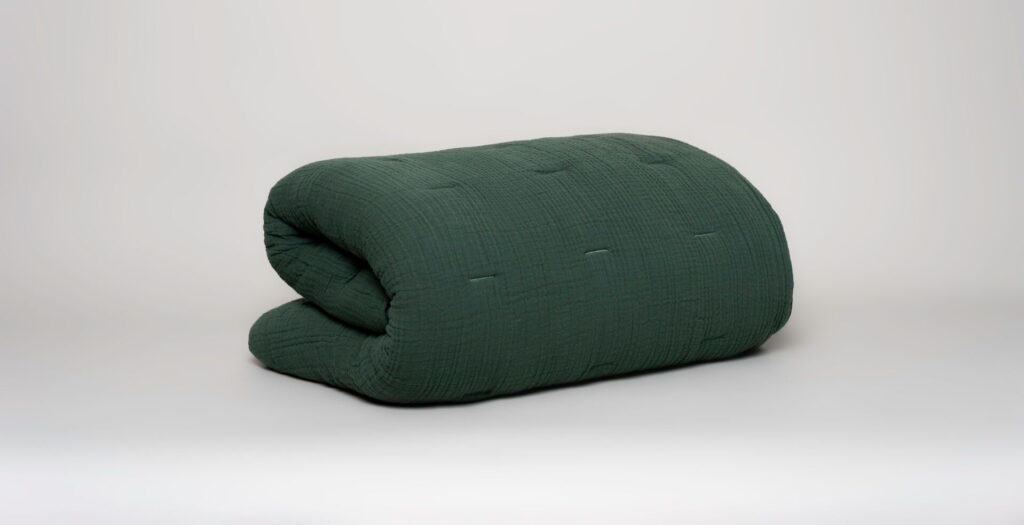
Aero Quilt
Shop Now
Make bedtime even dreamier with our lightweight quilt in the softest cotton viscose gauze weave that’s dual-sided for versatility.
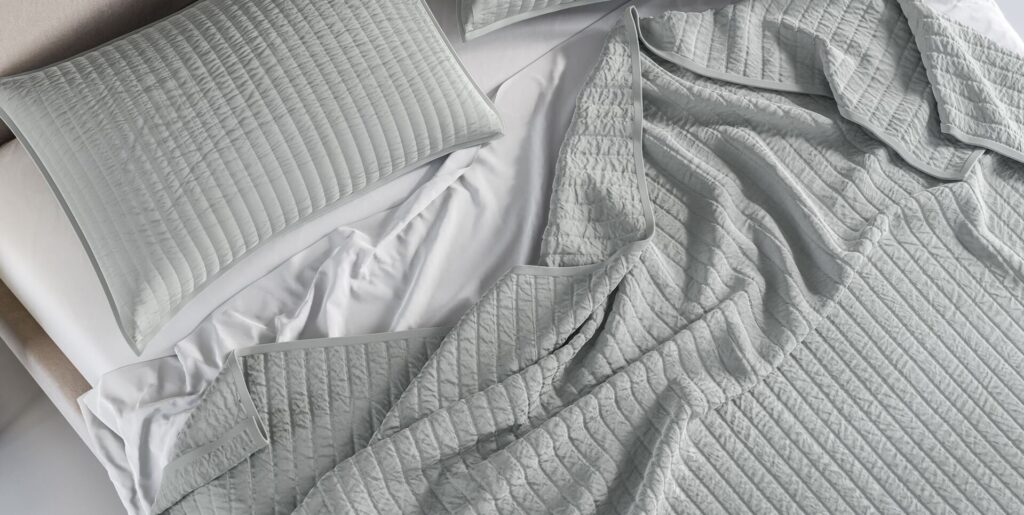
Organic Cotton Channel Quilt
Shop Now
This all-cotton, all-season quilt is made with a 300 thread count sateen weave that gets softer with every wash. It’s designed to layer in colder months but is light and breathable on its own for warmer months.
FAQs
Do you use a sheet with a cooling blanket?
“Yes, you can use a sheet with a cooling blanket,” Dasgupta says. “A breathable, lightweight sheet made from natural fibers like cotton or bamboo can enhance comfort without interfering with the blanket’s cooling effect.”
Can you sleep on a cooling blanket?
While cooling blankets are primarily designed to be used as covers, you technically can sleep on one if it’s thin enough and made of breathable material. “However, sleeping under the blanket generally maximizes its cooling properties,” says Dasgupta.
Which side do you use on a cooling blanket?
“Some cooling blankets are double-sided, with one side specifically designed for cooling (often silkier or smoother) and the other for regular use,” explains Dasgupta. “Always place the cooling side against your body for the best effect—check the label or feel for the cooler surface.”
What is the most important thing to consider before buying?
Start with the problem you need the product to solve, then compare support, comfort, materials, durability, care requirements, and return or trial terms. Avoid choosing on a single marketing feature alone.
Sleep cooler with Saatva
Saatva offers a variety of cooling blankets to help you stay comfortable while you snooze. Check out our Aero Quilt and Organic Cotton Channel Quilt and start experiencing cooler sleep.

Shelby Deering
Shelby Deering is a Madison, Wisconsin-based freelance lifestyle writer contributing home design and health articles to national publications. When she’s not writing, you’ll find her hiking, running, or walking with her husband and corgi, Dolly.
Related Stories
-
Tips and Tricks for Putting a Comforter in a Duvet Cover
-
 Best Cyber Monday Bedding, Pajamas, and Tech Deals of 2025
-
 Best Black Friday Bedding Deals of 2025
Table of Contents
