
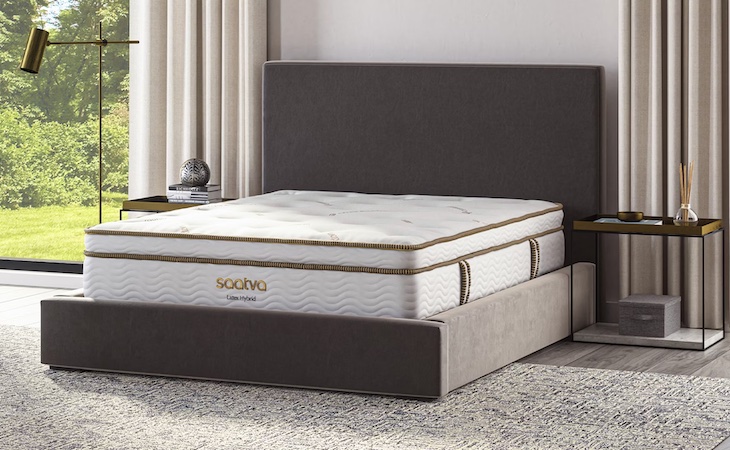
 Best Labor Day Mattress Sales of 2026
Mattresses, Mattress Types & Sizes
December 27, 2018, updated on October 19, 2026
Hybrid Mattresses: What You Need to Know
Written by Sarah DiGiulio
Key Takeaways
A hybrid mattress is a combination of an innerspring mattress and another material, such as memory foam.
It provides the comfort of foam with the support of coils, making it easier to move and change positions.
Hybrid mattresses are ideal for side and back sleepers and can minimize motion transfer. When choosing a hybrid mattress, it’s important to consider the quality of materials used.
A hybrid mattress combines an innerspring coil support system (usually individually wrapped pocket coils) on the bottom with multiple comfort layers of memory foam, latex, or gel on top. When considering a hybrid mattress, focus on the practical factors that affect comfort, support, durability, and sleep quality. Evaluate the materials, construction, fit for your sleep position and body type, care requirements, and any relevant health considerations. Use measurable criteria and current expert guidance rather than relying on a single marketing claim or trend.
Just when you think you have a handle on the differences between innerspring, memory foam, and latex, along comes another mattress type to know: the hybrid mattress. What is a hybrid mattress, and where does it fit in among the choices?
Technically, a hybrid mattress can be any mattress made from more than one material. But if you go mattress shopping, you’ll see the term most often associated with innerspring mattresses that contain a coil support system along with another material such as memory foam, explains Mary Helen Rogers, a board member of the Better Sleep Council and the organization’s director of mattress education.
That combination of traditional coil support with the contouring comfort of memory foam is what gives a hybrid bed mattress its appeal. “Many will say that hybrids bring the best of both worlds together,” Rogers says.
If you’re in the market for a new bed, here’s why you should get to know the hybrid mattress.
| Decision Criteria | What to Look For / Key Considerations | Why It Matters |
|---|---|---|
| Sleeping Position | Ideal for Side and Back sleepers. | Provides pressure relief for hips and shoulders via foam, combined with the active elevation and support of coils. |
| Coil Type & Quality | Individually wrapped / pocketed coils (or coil-on-coil systems). | Reduces motion transfer from a sleep partner while maintaining support and responsiveness. |
| Foam Quality & Density | High-density memory foam, latex, or polyfoam; natural latex over synthetic. | High-density foam won’t wear out as fast, and natural latex offers better long-term durability. |
| Temperature & Cooling | Coil structure combined with gel, graphite, or copper cooling materials. | Coils allow better airflow than all-foam beds; cooling additives help slow down body heat transfer. |
| Feel & Buoyancy | Soft foam top layer over reinforced steel coil base. | Gives an elevated, buoyant feel rather than the deep “sinking” sensation of pure foam, making it easier to change positions. |
| Motion Isolation | Encased coils + foam comfort layers. | Great for couples who want coil responsiveness without feeling their partner’s movements. |
What’s inside a hybrid mattress
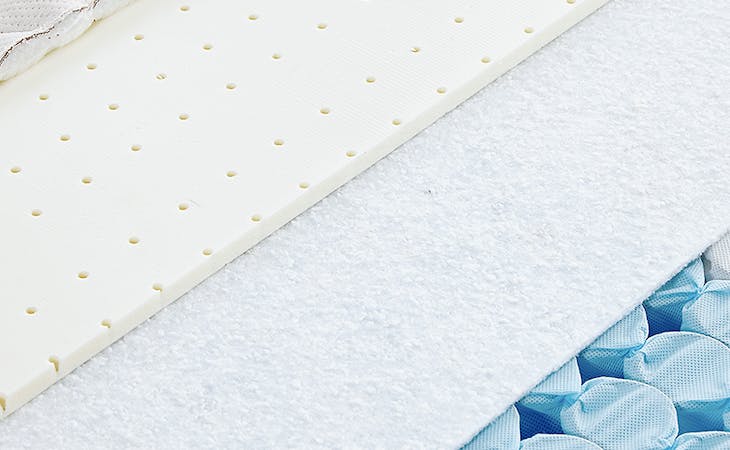
So what is a hybrid mattress, exactly? The materials in a hybrid mattress can vary greatly from one to another depending on the manufacturer of the bed and the model. But typically, a hybrid bed include some of the following:
- A steel support coil system. The best ones feature individually wrapped coils, which move independently and reduce motion transfer. (The Saatva Classichybrid mattress includes a “coil on coil” system: a base support layer of tempered steel coils, plus another layer of individually wrapped coils in the top portion of the mattress.)
- A comfort layer made from memory foam, latex, polyfoam, or another type of foam.
- Cooling materials (including gel or graphite copper materials that are low conductors of heat and help slow down the transfer of body warmth to the mattress), which may be part of the foam comfort layer.
- A pillow top to provide additional cushioning. Pillow tops can be standard or Euro style and are made from foam, cotton, wool, or fiberfill.
How it works
A hybrid mattress combines two different core technologies: a steel coil support base and one or more top comfort layers. The underlying spring layer provides structural support and air circulation, while the upper foam, latex, or padding layers cushion body pressure points. This design balances the traditional bounce of an innerspring bed with the contouring support of foam.
Pros and cons
Pros
- Provides balanced pressure relief for vulnerable areas like hips and shoulders
- Offers motion isolation through individually wrapped pocketed coils
- Sleeps cooler than all-foam beds due to enhanced airflow through the coils
- Makes moving around easier by offering a buoyant feel rather than a sinking sensation
Cons
- Tends to be heavier and more difficult to move than standard innerspring beds
- Often carries a higher price tag due to the combination of multiple materials
- May still transfer slightly more motion than a pure memory foam mattress
Who it is for
- Side sleepers who need targeted pressure relief at their shoulders and hips
- Back sleepers who require spinal alignment paired with comfortable surface cushioning
- Couples who want to minimize motion transfer without giving up coil responsiveness
- Hot sleepers who want foam comfort without retaining excessive body heat
What a hybrid mattress feels like
The specific feel of any individual hybrid mattress depends on the type of materials inside it—but it will usually be different from what you’ll feel if you lie on a traditional innerspring or a pure foam mattress, explains Mark Kinsley, vice president of marketing for the Bedding Group at Leggett & Platt, a company that manufactures bedding components (including some of the materials used in Saatva mattresses).
Initially, you’ll experience that soft feeling that foam provides, but you’ll also feel reinforced support from the coils, making it easier to move around and change sleeping positions than on an all-foam mattress. Instead of sinking down, as you would on an all-foam mattress, the foam-spring combination makes you feel more elevated and buoyant, Kinsley says.
Hybrid spring-foam mattresses also tend to sleep cooler than all-foam mattresses, because more air can circulate through the springs than is be able to circulate through foam layers.
Who a hybrid mattress is ideal for
Whether or not you’ll love a hybrid mattress depends on your body size, shape, sleep preferences, and comfort preferences. But in general, Kinsley says, people who sleep on their sides or their backs tend to like hybrid beds.
For side sleepers, two major pressure points—your shoulders and your hips—are vulnerable as they support you on top of the sleep surface. “Hybrid beds give you the pressure relief of foam, and then you’ve got the elevation that’s provided by the active support of an innerspring,” he says.
Hybrid mattresses are also great for minimizing the amount of movement you’ll feel from your sleep partner (which innerspring mattresses traditionally have not been great at), while still offering the responsiveness of a coil support system.
Improve your sleep with these hybrid mattresses from Saatva
This carousel automatically rotates through products. Use the pause button to stop rotation, or use the slide dots to navigate.
Our flagship luxury mattress is expertly engineered with coil-on-coil construction for durability, a layer of memory foam for enhanced back support, and a cushiony Euro pillow top for extra comfort. This hybrid mattress combines the pressure-free support of natural latex with the classic innerspring feel. Handcrafted with pure materials for the ultimate in cool and healthy sleep. This memory foam hybrid mattress features the perfect balance of body-contouring and responsive feel. Enjoy the innovative cooling system, which prevents overheating.
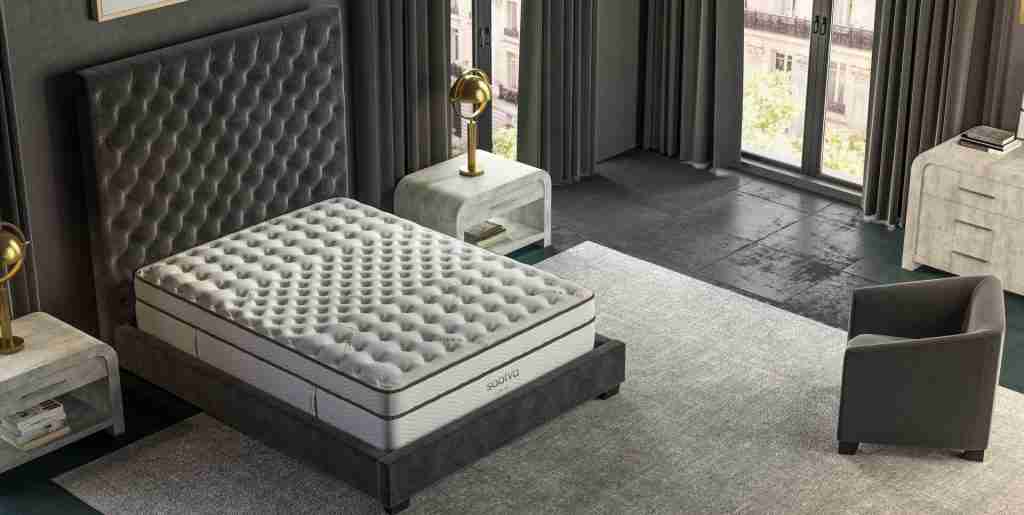 Saatva Classic Innerspring Mattress
Shop Now
 Latex Hybrid Mattress
Shop Now
 Memory Foam Hybrid Mattress
Shop Now
FAQs
Do hybrid mattresses work with box springs?
No, traditional box springs are generally not recommended for hybrid mattresses. Because hybrids are heavy and rely on pocketed coils, placing them on a flexible box spring can cause sagging and may void the manufacturer warranty. Instead, use a solid platform bed, an adjustable base, or a bed frame with rigid wooden slats spaced no more than 3 inches apart.
How long does a hybrid mattress typically last?
A well-constructed hybrid mattress typically lasts between 7 to 10 years. Longevity depends heavily on material quality, such as opting for high-density foam and lower-gauge steel coils, as well as maintaining proper foundation support.
Do hybrid mattresses require an adjustment period?
Yes, it usually takes about 30 days for your body to adapt to a new hybrid mattress. During this initial break-in period, the top foam layers soften slightly, and your spine adjusts to the proper active coil support.
How to know you’re picking the best hybrid mattress
The first thing anyone buying a mattress should make sure of is that they choose a bed that’s going to feel comfortable to them, Kinsley says. (Here are some tips for how to choose the best mattress for you.)
After that, look at the quality of the materials used in the mattress. Are the coils pocketed or encased? Because this type of coil minimizes the movement you feel from the other side of the bed, you may get a better night’s sleep. Also look for a high-density foam, which won’t wear out as fast, recommends Kinsley.
And remember that all materials come in varying levels of quality, Kinsley says. For instance, when it comes to latex, natural varieties tend to last longer than synthetic ones. (Here’s how to choose the best innerspring, memory foam, and latex mattresses.)
The bottom line: If you can’t decide between an innerspring mattress and a foam one, you don’t have to make that choice. A hybrid mattress will give you the best of both worlds.

Sarah DiGiulio
Sarah DiGiulio is a New York City-based writer and editor. She focuses on health, wellness, and medicine. She has written for Prevention, Huffington Post, and more.
Related Stories
-
Best Labor Day Mattress Sales of 2026
-
 Best July 4th Mattress Sales of 2026
-
 Best Memorial Day Mattress Sales of 2026
Table of Contents
